A steady wake time
The anchor most sleep routines are missing.
Hold it most days
Sleep & everyday stress
Sleep and stress feed each other. A short night makes the next day's pressure harder to handle, and a stressful day makes the following night harder to sleep. This page collects the practical routines that help most adults with ordinary schedules — no complicated protocols, no treatment plan.
It is general information, not a treatment plan for insomnia or an anxiety disorder. Where sleep needs a professional, this page says so plainly.
Most people notice a difference after two weeks, not two nights
The anchor most sleep routines are missing.
Hold it most days
Daylight is what sets the clock; late light delays it.
Needs daylight
An afternoon cup can still be active at midnight.
Adjust the cut-off
A few minutes of longer exhales take the edge off the day.
Available any time
Start here
Most sleep advice starts with bedtime, and that is usually backwards. Your wake time anchors your body clock. Pick an hour you can hold on most days, including weekends, and let bedtime drift naturally earlier as your sleep pressure builds.
Consistent wake times help more people than any single evening ritual. Give it two weeks before judging it — the first few mornings feel worse before they feel better, because you are borrowing against a debt you are still paying down.
If you usually sleep in heavily on Saturday and Sunday, expect Monday to feel like a small jet lag. Narrowing the gap between weekday and weekend wake times by an hour is often the single most useful first move.
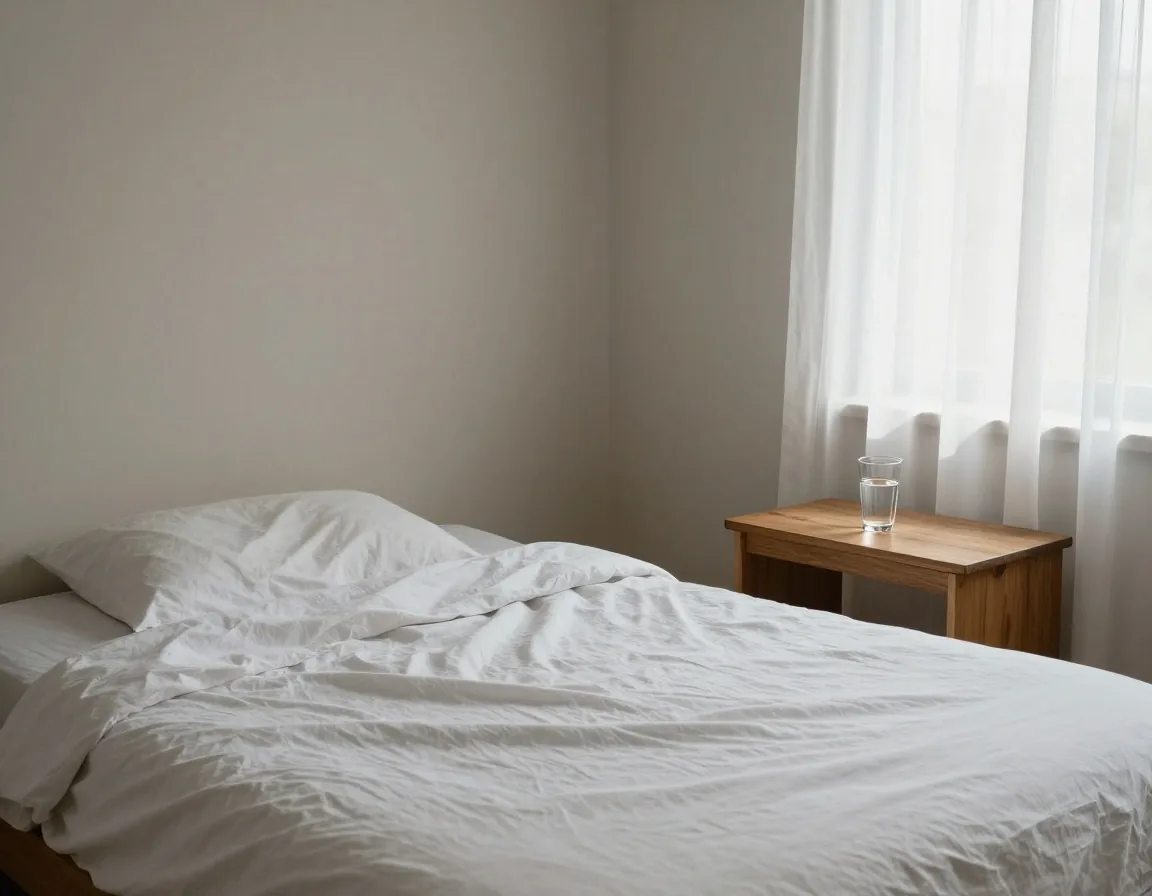
You do not need a two-hour ritual. The specific activity matters less than the signal it sends: repeating the same short sequence nightly trains your body to expect sleep. Keep it simple enough that you will still do it on a bad day.
Roughly ten minutes
Drop the main lights and use one lamp. Bright overhead light tells your body it is still daytime, which pushes the clock later exactly when you want it to move earlier.
Roughly ten minutes
Stop work email and anything that can turn into an argument. A shower, then reading or listening to something calm, works for most people. The order matters more than the content.
Roughly ten minutes
Same order, same short sequence. Consistency is what turns a routine into a cue, and a cue is what lets you fall asleep without deciding to.
The everyday loop
Morning daylight helps set your clock; bright light late at night pushes it later. Screens are less about the blue light and more about what you are doing on them: work, arguments, or endless feeds that keep your brain alert.
Ten to twenty minutes outside in the morning, or at least a bright room with the curtains open, is what tells your clock that the day has started.
Do it daily
Leaving the phone in another room removes the decision entirely. If you use it as an alarm, a cheap clock solves that in one purchase.
Removes the choice
A calm podcast in the dark and a heated comment thread in bed use the same screen and have opposite effects. The content is the variable.
Often overlooked
If you lie awake for long stretches, get up and read somewhere dim until you feel sleepy. Letting the bed stay a place of frustration is what makes the problem stick.
Use if needed
Three ordinary habits do more damage to sleep than most evening rituals fix. Adjusting them is often the fastest sleep improvement available.
An afternoon coffee can still be active at midnight, and you may fall asleep fine while sleeping lighter. Push your last cup earlier in stages and watch the difference over a week rather than a single night.
A drink helps you fall asleep and then breaks the night into pieces, which is why you can sleep seven hours and wake unrefreshed. It is one of the most common hidden causes of poor sleep, and it rarely shows up on its own.
A large late dinner can keep you uncomfortable enough to wake. If evening meals are part of your household schedule, move the heaviest one earlier and keep the late plate small rather than skipping food altogether. For the wider pattern, see our notes on nutrition and everyday eating.
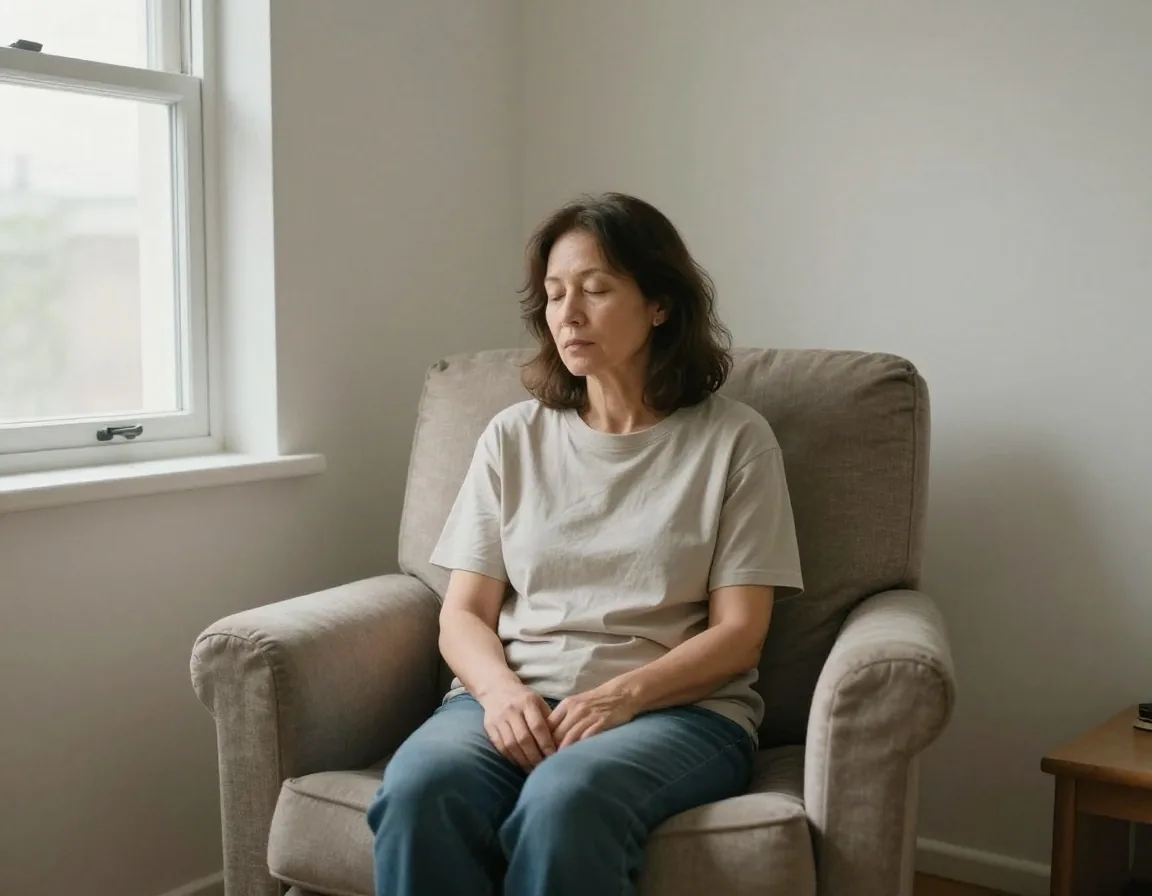
Two minutes, anywhere
Slow breathing — for example, a longer exhale than inhale for a few minutes — can lower the physical edge of stress in the moment. It is a tool that helps you respond rather than react, and used daily it also makes the wind-down routine easier to settle into.
It is not a cure for a stressful job or a difficult situation, and it will not fix a mental health condition. Think of it as a two-minute reset you can run before a meeting, after a hard call, or at the start of your evening.
Pair the reset with the routines on this page and the wellness habits library for the small everyday habits that support them.
Everyday pressure
Much everyday stress comes from work that never clearly stops. A defined end to the working day — even a symbolic one, like closing the laptop and walking around the block — helps your nervous system shift gears.
Notifications after hours are a choice you can partly control: a scheduled quiet period, a separate device, or simply leaving the work phone in a drawer until morning. If your employer's expectations make that impossible, that is a workplace issue, not a personal failing — and worth naming out loud rather than absorbing quietly.
Persistent insomnia, sleep apnoea and depression are real conditions with effective treatments. A general wellness page cannot diagnose them, and trying to fix them with habits alone can delay proper care.
If any of the signs on the right apply to you, book an appointment rather than another self-experiment. Bring a rough two-week note of how you slept — it is short, and it helps.
You snore heavily and still wake unrefreshed, or someone has told you that you stop breathing in the night.
You cannot sleep for weeks at a time, or you dread going to bed because of it.
You feel low, flat or anxious most days, not just after one bad night.
Sleep problems are affecting your work, your driving, or your relationships.
Our research and update standards explain how this page was written and what it deliberately leaves to clinicians.
Three things that come up most often about sleep and everyday stress management. There are more answers in the reader questions page.
No. Most adults need roughly 7 to 9 hours, but individual needs vary. How you feel across the day is a better guide than a single number — steady energy through the afternoon, and waking without an alarm feeling like a fight.
A short early-afternoon nap can help some people, especially after a broken night. Long or late naps take pressure off the evening and can make it harder to fall asleep at night, so keep them short and early if you use them.
They can reduce the physical feeling of stress in the moment, and that is genuinely useful before a meeting or at the end of a hard day. They are not a treatment for an anxiety disorder. Speak to a professional if anxiety affects your daily life.
The routines here are meant to be tested, not perfected. Pick the wake time and one wind-down step, run them for two weeks, and leave the rest alone until those two feel automatic. Then adjust the coffee cut-off, the evening meal, or the after-hours notifications.
If you want the habits in one place, the wellness habits library gathers the small everyday routines across sleep, stress, movement and eating, and the movement and training guide covers how daytime activity changes the way you sleep.
Written by the Natural Habits Health editorial team
Reviewed September 2026
Natural Habits Health · 48 Triq San Gorg, St Julian's STJ 3201, Malta
Monday to Friday, 9:00 AM – 6:00 PM